Research the place before the trip
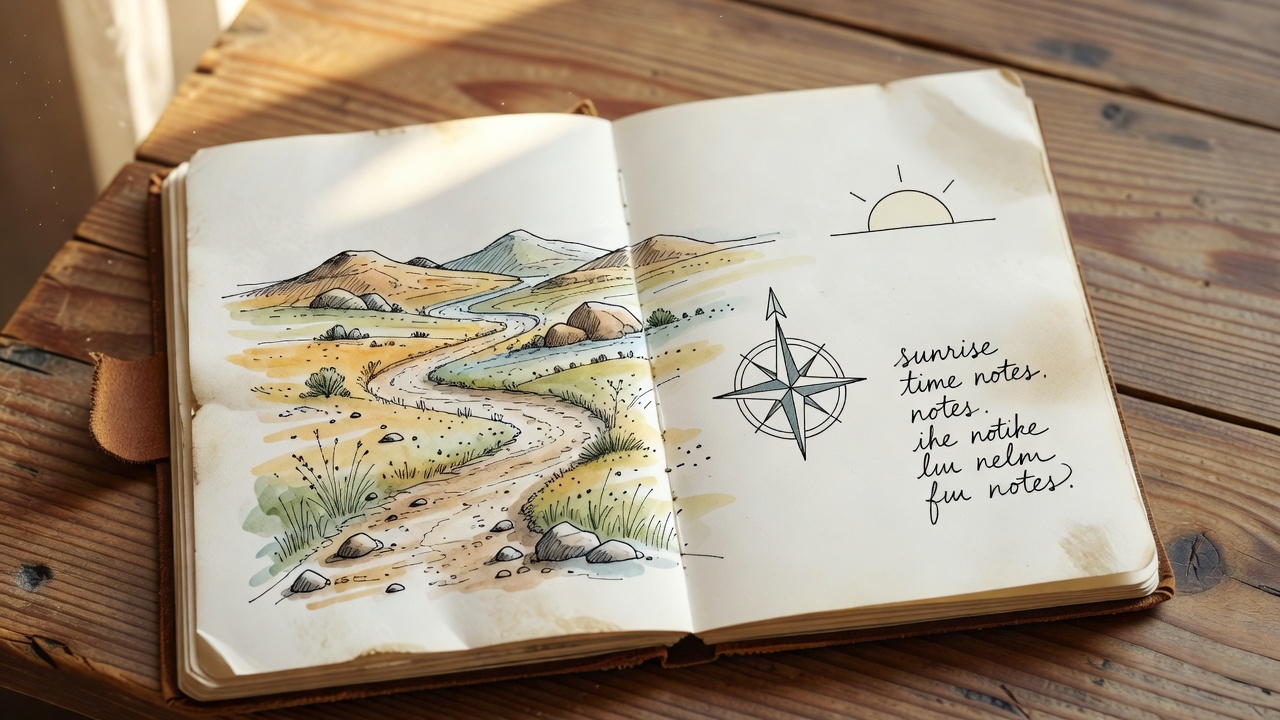
Start with orientation. Which way does the main street face? Where does the sun rise and set on your dates? Tools such as The Photographer's Ephemeris and PhotoPills show the sun and moon over a map, and a basic weather service gives cloud cover and wind. Add local knowledge: market days, religious services, school runs and the hour tour buses arrive.
Popular locations reward early starts. The torii gate paths of Fushimi Inari Taisha in Kyoto, the tiled lanes of Lisbon's Alfama, or the Charles Bridge in Prague are very different scenes at sunrise than at midday. Write those differences into the list rather than hoping to remember them.
Travel shot list template
Limit yourself to two must-have scenes per day. Travel days are long, transport is unpredictable, and a list of ten essentials quickly becomes a list of ten disappointments.
| Location | Frame | Priority | Best window | Fallback |
|---|---|---|---|---|
| Old town viewpoint | Wide over rooftops | Must | Golden hour, evening | Overcast: tight layered rooftops |
| Morning market | Vendors setting up, hands and produce | Must | 06:30–08:00 | Rain: covered stalls, reflections |
| Harbour | Boats returning, working life | Should | Check local tide times | Details of ropes and nets |
| Side streets | Unplanned walk | Open | Afternoon | — |
The fallback column is the most important on the page. Iceland's south coast, the Scottish Highlands or the coast near Cape Town can shift from sun to squall within an hour. A written fallback stops you from wasting the bad-weather hours waiting for the good ones.
Architecture: plan the angle and the hour
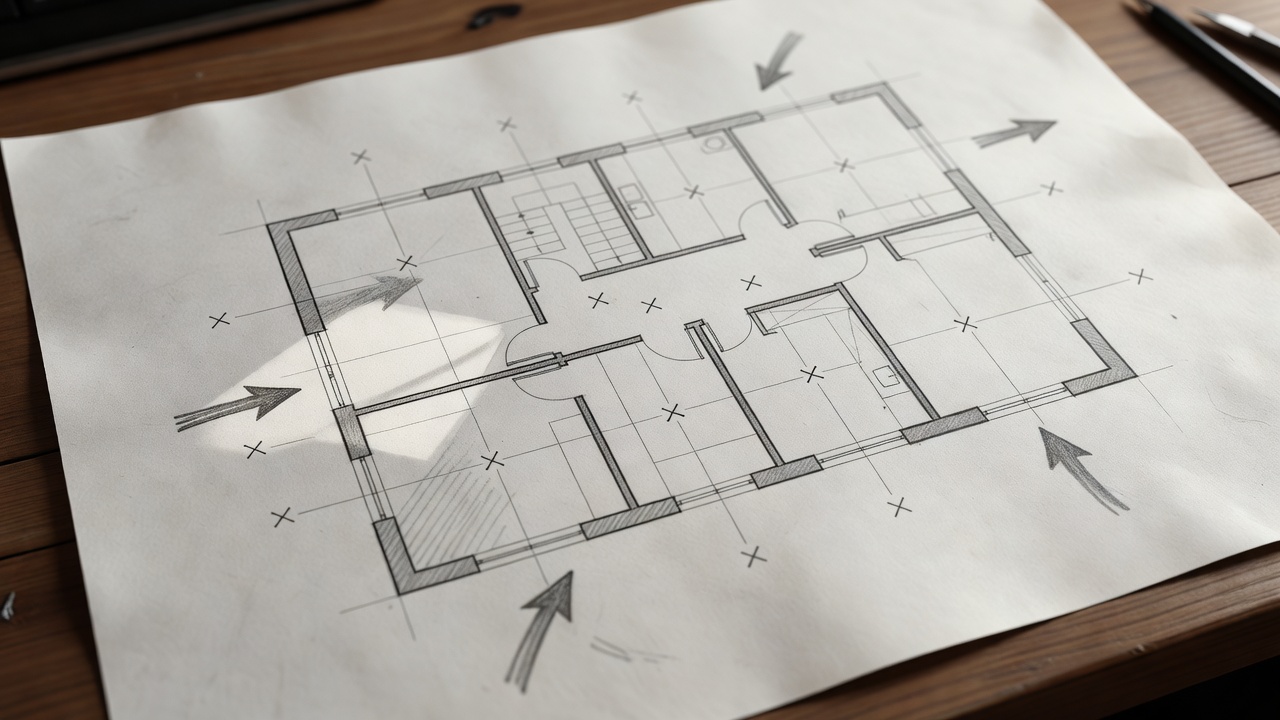
Architectural photography is planning made visible. Julius Shulman's 1960 photograph of Pierre Koenig's Case Study House #22 — the Stahl House in Los Angeles — is famous for its twilight glow, and that glow depended on timing, interior lighting and a carefully chosen viewpoint. You can apply the same discipline to a local library or a new apartment block.
- Orientation: note which façades receive morning or afternoon sun.
- Verticals: plan for a level camera, a tilt-shift lens or careful correction later.
- Twilight: list the interior lights that need to be on and who can switch them.
- Context: one frame showing the building in its street or landscape.
- Detail: materials, junctions, handrails, the architect's signature moves.
Buildings like Frank Lloyd Wright's Fallingwater in Pennsylvania or Antoni Gaudí's Sagrada Família in Barcelona have their own visitor rules, timed entries and, often, restrictions on tripods or commercial use. Always check the official site and ask for written permission when your work will be published.
Two scenarios, two plans
Clear forecast
- Hero exterior at golden hour from the marked position
- Twilight frame with interiors lit
- Long shadows across textured façades
Overcast or rain
- Interiors with even, soft window light
- Material details without harsh contrast
- Wet-pavement reflections at dusk
Permissions, people and respect
Places are full of people who did not sign up to be in your project. In travel work, photograph communities with the same courtesy you would want at home: ask when you can, put the camera down when asked, and be careful with children and religious spaces. For private property, interiors and some public landmarks, confirm permissions before the trip and carry them with you, printed.
Packing the plan
Print one page per day: locations, times, must-have frames, fallbacks and a map snippet. Keep a pencil with it. When something extraordinary appears that was never on the page, photograph it and add a line — your list becomes a record of what really happened, which helps when you edit.